Ending Strategic Silence On Palestinian Children Deliberately Targeted & Killed by Israel
Iqbal Jassat
Muharram 12, 1448 2026-06-27
Daily News Analysis

by Iqbal Jassat
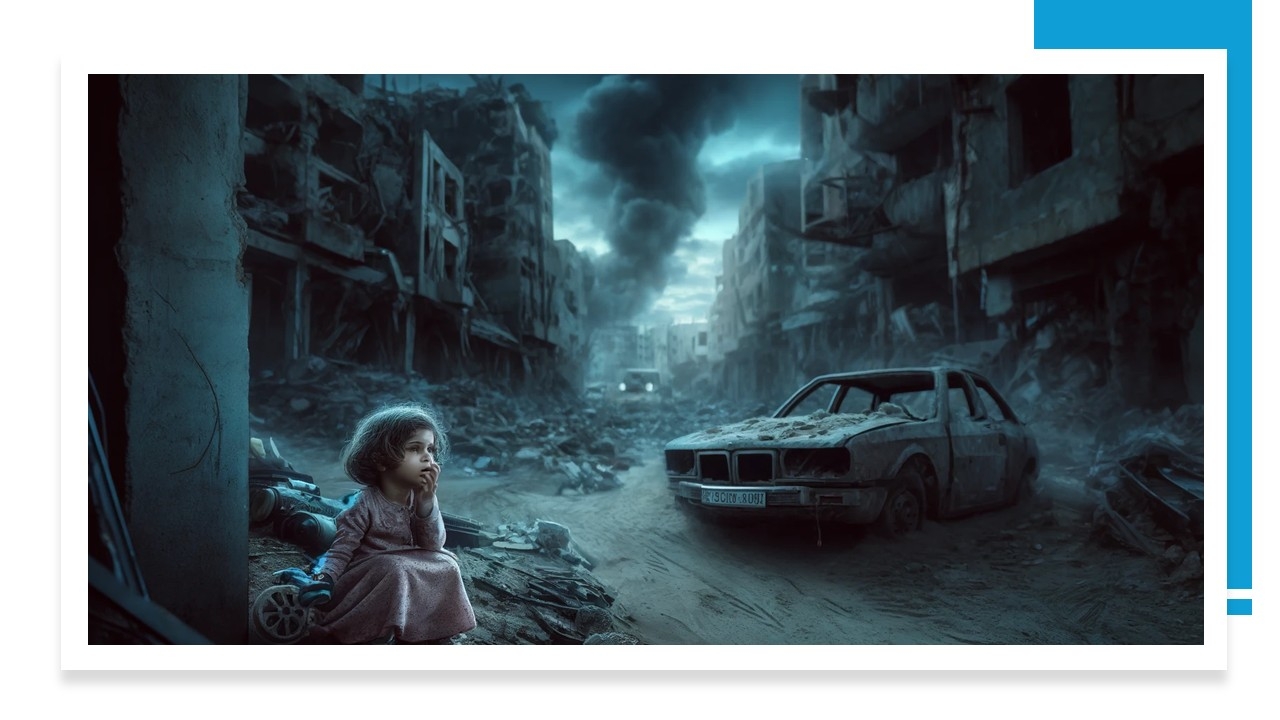
The latest findings of the UN Independent International Commission of Inquiry expose something far more serious than another chapter in the horrific war on Gaza.
They document what the Commission describes as the deliberate targeting and killing of Palestinian children by Israeli occupation forces, conduct it says amounts to genocide, crimes against humanity and war crimes.
What stands out is not only the gravity of the allegations, but the muted response from many of the same political and media institutions that routinely demand wall to wall coverage when children are victims elsewhere.
The Commission’s report, presented to the UN Human Rights Council, concludes that Palestinian children have been deliberately targeted since October 2023.
According to the findings, children account for approximately 30 percent of those killed by Israeli forces during the reporting period.
The Commission states that the repeated use of high payload explosives in densely populated civilian areas demonstrates a pattern that cannot be dismissed as accidental or collateral.
In addition, the report also details the broader destruction of childhood itself.
Beyond deaths and injuries, it documents widespread psychological trauma, displacement, starvation, destruction of schools, attacks on healthcare infrastructure and conditions that have left almost an entire generation of Palestinian children facing long term physical and mental harm.
The title of the findings captures the reality of Israel’s brutality directed at Palestinian children:
“The essence of childhood has been destroyed.”
An interesting observation one is able to make is that absent from much of the local and global media coverage is the significance of a UN Commission using language normally reserved for the gravest of crimes under international law.
The story however, is often reduced to another dispute between Israel and the United Nations while indeed the evidence presented by the Commission receives less attention than Israeli objections to the findings.
This familiar pattern transforms allegations of mass atrocities into a debate about process, bias or institutional credibility rather than an examination of the underlying evidence. The focus shifts away from dead children and toward political controversy.
The unfortunate result is that such crucial findings fail to dominate public discourse.
And political establishments that have provided diplomatic cover, military support and political protection for Israel also benefit in the process.
Equally, let’s not ignore media institutions that have spent years framing Palestinian suffering as background noise while treating Israeli security narratives as the primary lens through which zionist atrocities are understood.
There is nothing new about this if we consider that from apartheid South Africa to Iraq, from the ‘War on Terror’ to countless military interventions justified through humanitarian language, the pattern remains remarkably consistent.
The UN Commission’s findings are now part of the public record.
Civil society and human rights activists have to ensure that these findings, especially that Palestinian children have been deliberately targeted and that these actions constitute some of the most serious crimes recognised under international law, are not reduced to mere footnotes.
Iqbal Jassat, Executive Member, Media Review Network, Johannesburg, South Africa
Related Articles
Most delegates walk out in disgust during Netanyahu’s UN speech
Crescent International
Rabi' al-Thani 04, 1447 2025-09-26

Israel’s pathetic excuses over genocide charges at ICJ
Crescent International
Rajab 01, 1445 2024-01-13