Turkiye, Saudi Arabia and Pakistan: An Alliance of Ruling Elites, Not States
Crescent International
Safar 27, 1448 2026-08-10
Daily News Analysis

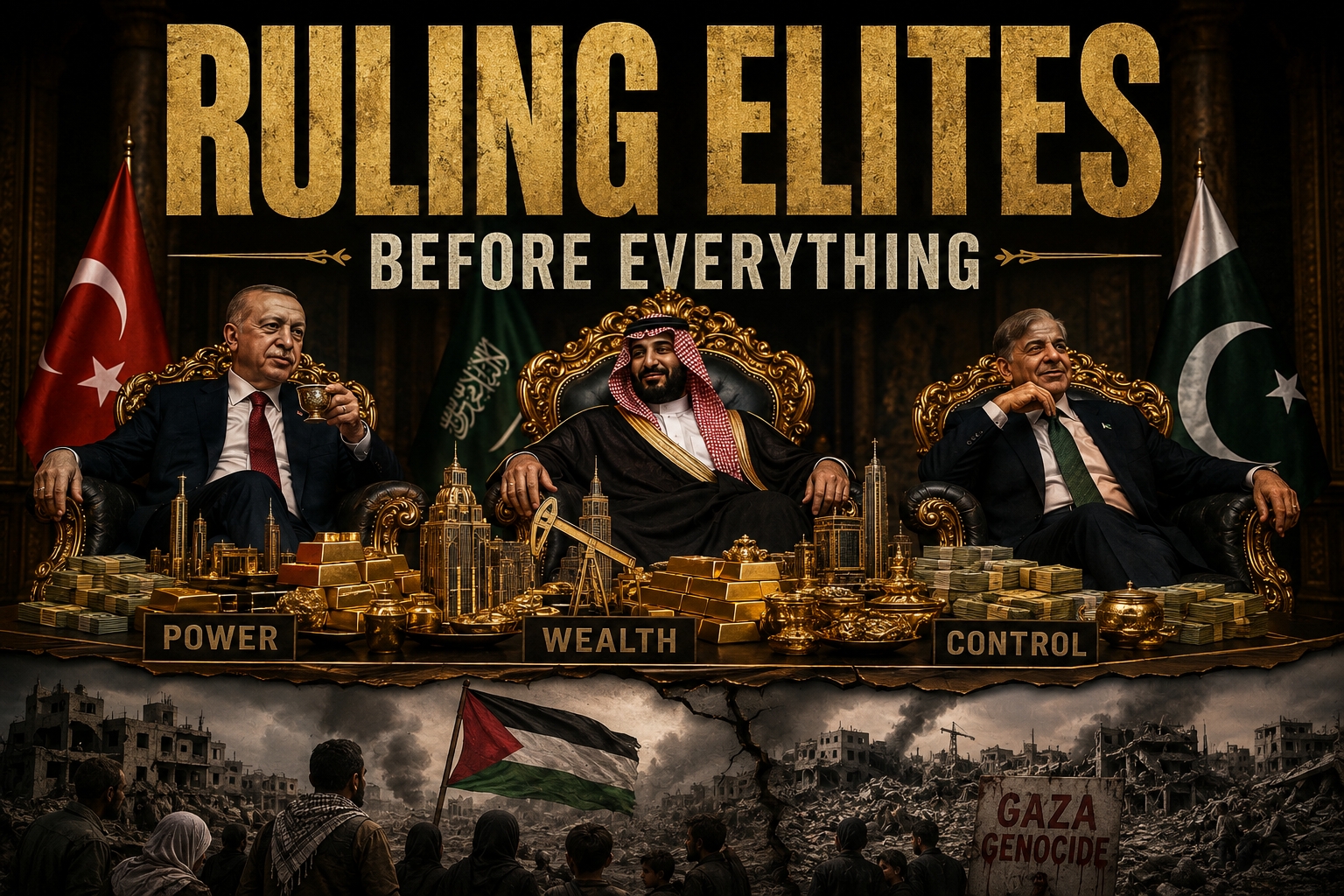
The Turkiye–Saudi Arabia–Pakistan defence pact is less an alliance of states than a mechanism for preserving the power of those who rule them.
Behind the language of collective security lies a more fundamental objective: the collective security of three ruling elites.
To understand why this so-called pact may be more mirage than a military alliance, we need only ask a simple question: if Pakistan were attacked by India, would Saudi Arabia actually send its troops to fight alongside Pakistan?
How credible is that scenario?
Anyone familiar with Saudi Arabia’s military incompetence, most visibly exposed during its costly and unsuccessful war on Yemen (March 2015- October 2022), understands that Saudi Arabia is not a serious military power.
If the Saudis cannot defend themselves, how can they assist others in a major military conflict?
Does anyone really expect Türkiye to conduct military action against India?
Viewed in this light, the treaty appears less like a credible mutual-defence arrangement and more like a carefully staged political and public-relations exercise.
Aware that many observers will view this so-called pact as a sectarian alliance targeting Iran and Yemen, one of the articles on the pact states that it is not ‘sectarian’ in nature.
It is not what the articles of the pact say; it is how it is perceived that matters.
If it is not sectarian, then why is Islamic Iran not part of the pact?
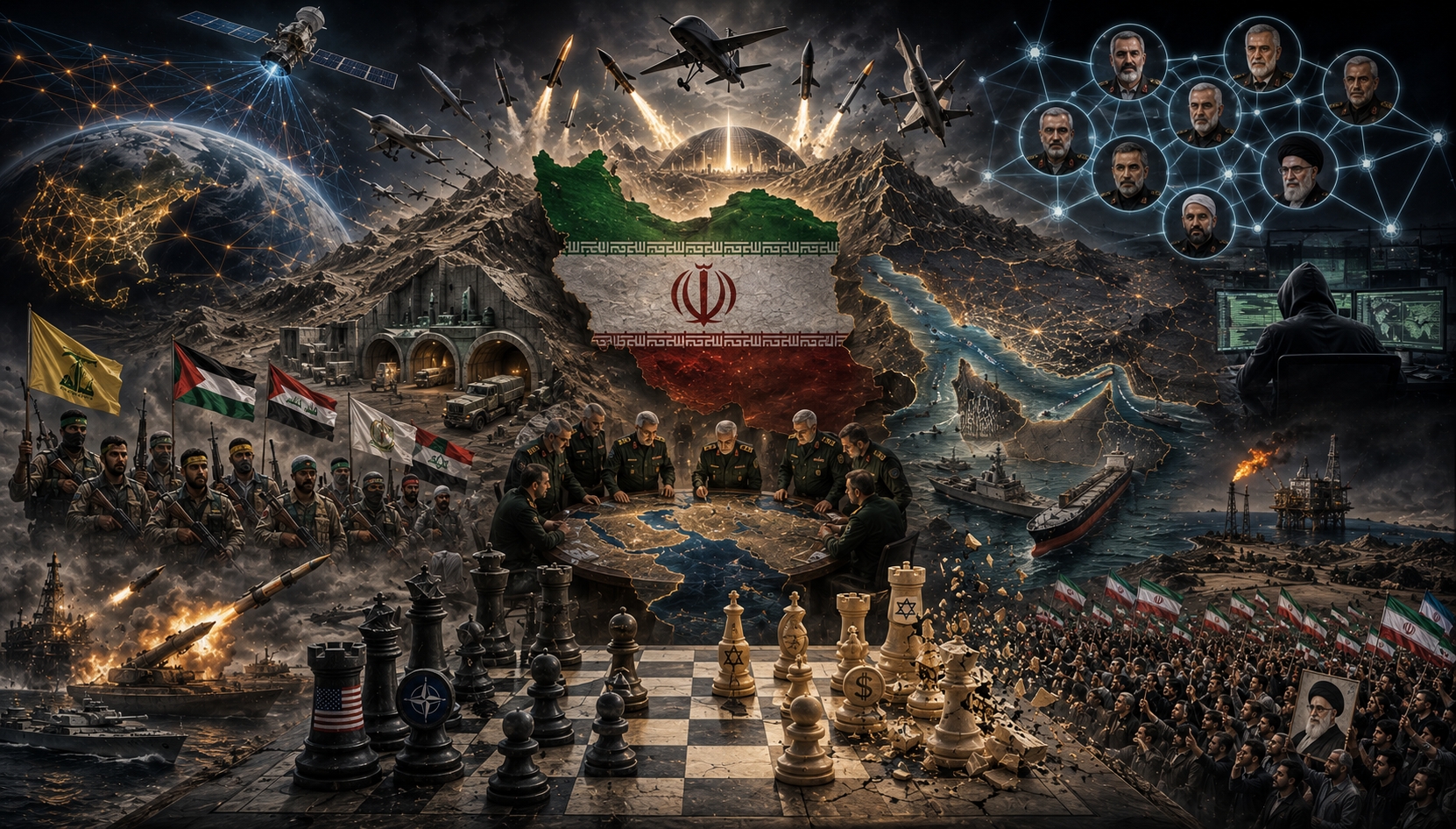
Iran is the most important regional power that has successfully challenged and defeated two predatory powers: the US and zionist Israel.
If they really want security, Iran is the only country can guarantee such security.
The regimes in Pakistan, Saudi Arabia and Turkiye formulate their internal and external policies first and foremost around the survival and preservation of their respective ruling elites.
That overriding consideration helps explain why, despite the scale of the genocide in Palestine, they have not taken any meaningful action to end it.
Unfortunately, some Muslim pundits and analysts who portray this pact as a dramatic new geopolitical development are distracted by its outward appearance.
Beneath the rhetoric of collective defence lies a much simpler political calculation: this is an alliance of political posturing, designed in part to project to the Muslim Ummah that Islamic Iran and its allies are not the only serious centres of power capable of shaping the region’s strategic landscape.
This political posturing is aimed largely at placating the Sunni Muslim street and responding to its emotional demand for a genuine Islamic ‘Sunni power centre’, a demand whose absence became painfully obvious during the genocide in Palestine.
The so-called pact, therefore, serves not only strategic purpose, but also the political need to project an image of Sunni strength and collective power where little meaningful action was seen when it mattered most.
The defence agreement has already exposed its limitations as a security framework.
Yemen’s recent strike on critical Saudi oil infrastructure not only exposed the newly signed pact as political theatre, but also checkmated the political messaging the pact aimed to send.
If the Saudis, Pakistanis or Turks decide to retaliate against Yemen for its strikes, this risks turning the Muslim street against them.
Yemen has won the hearts and minds of the Muslim Ummah through its principled position against Israel’s genocide in Palestine.
The three regimes, meanwhile, despite possessing vast arrays of weapons, have completely failed to take any action to stop the zionist-perpetrated genocide in Gaza.
Any military retaliation against Yemen could, therefore, expose the political contradiction at the heart of this alliance: the very regimes presenting themselves as defenders of Muslim security could find themselves confronting a country widely perceived by the Muslim street as having actually stood up to Israel.
The pact, therefore, died before it was born.
END
Related Articles
What is the Turkiye-Saudi-Pakistan defence alliance all about?
Omar Ahmed
Rabi' al-Awwal 19, 1448 2026-09-01

India attempts to normalize occupation of Kashmir under the guise of tourism promotion
Crescent International
Dhu al-Qa'dah 02, 1444 2023-05-22