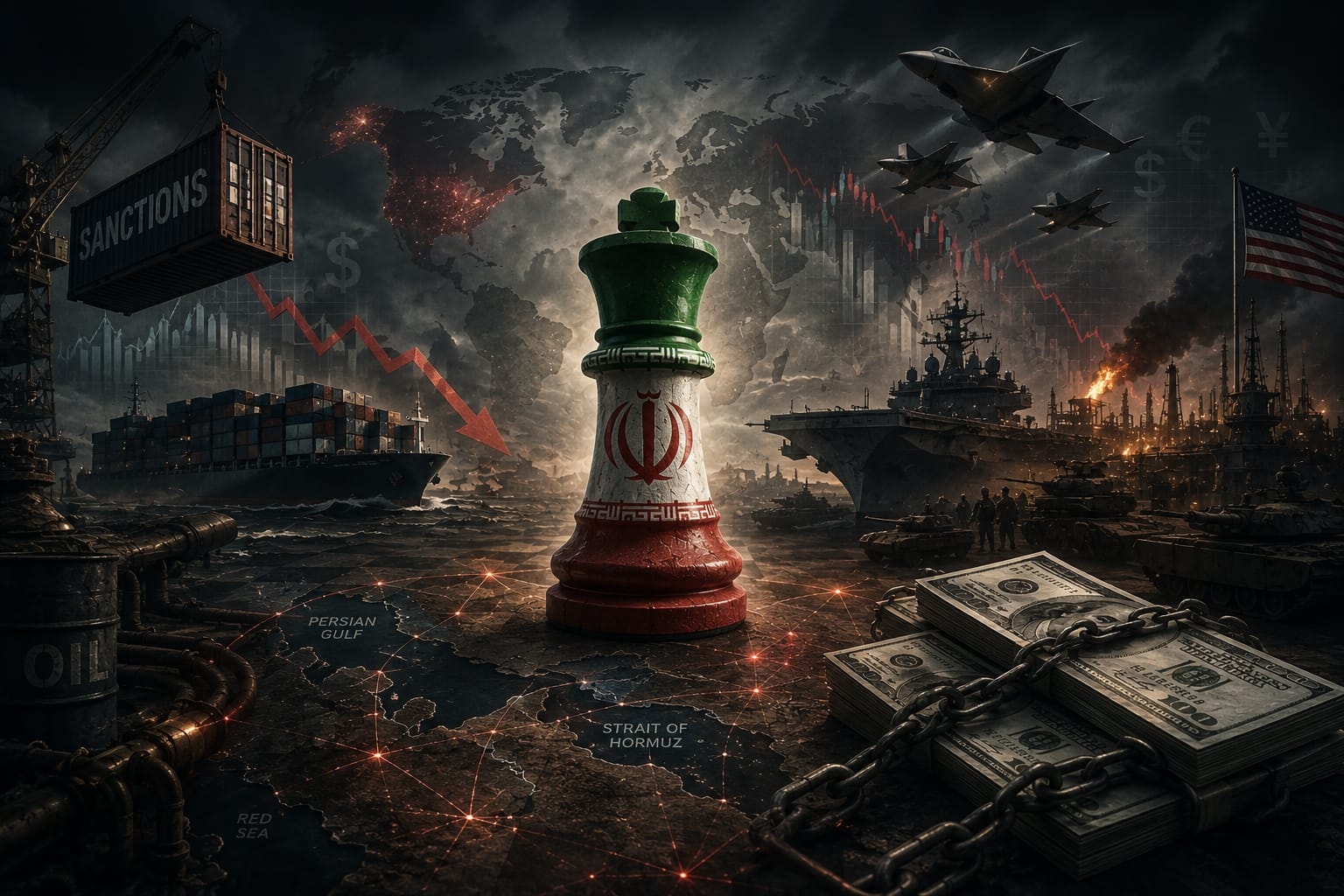
No War, No Peace: How “Stalemate” is a Strategy
Empowering Weak & OppressedCrescent International
Dhu al-Qa'dah 16, 1447 2026-05-04
Daily News Analysis

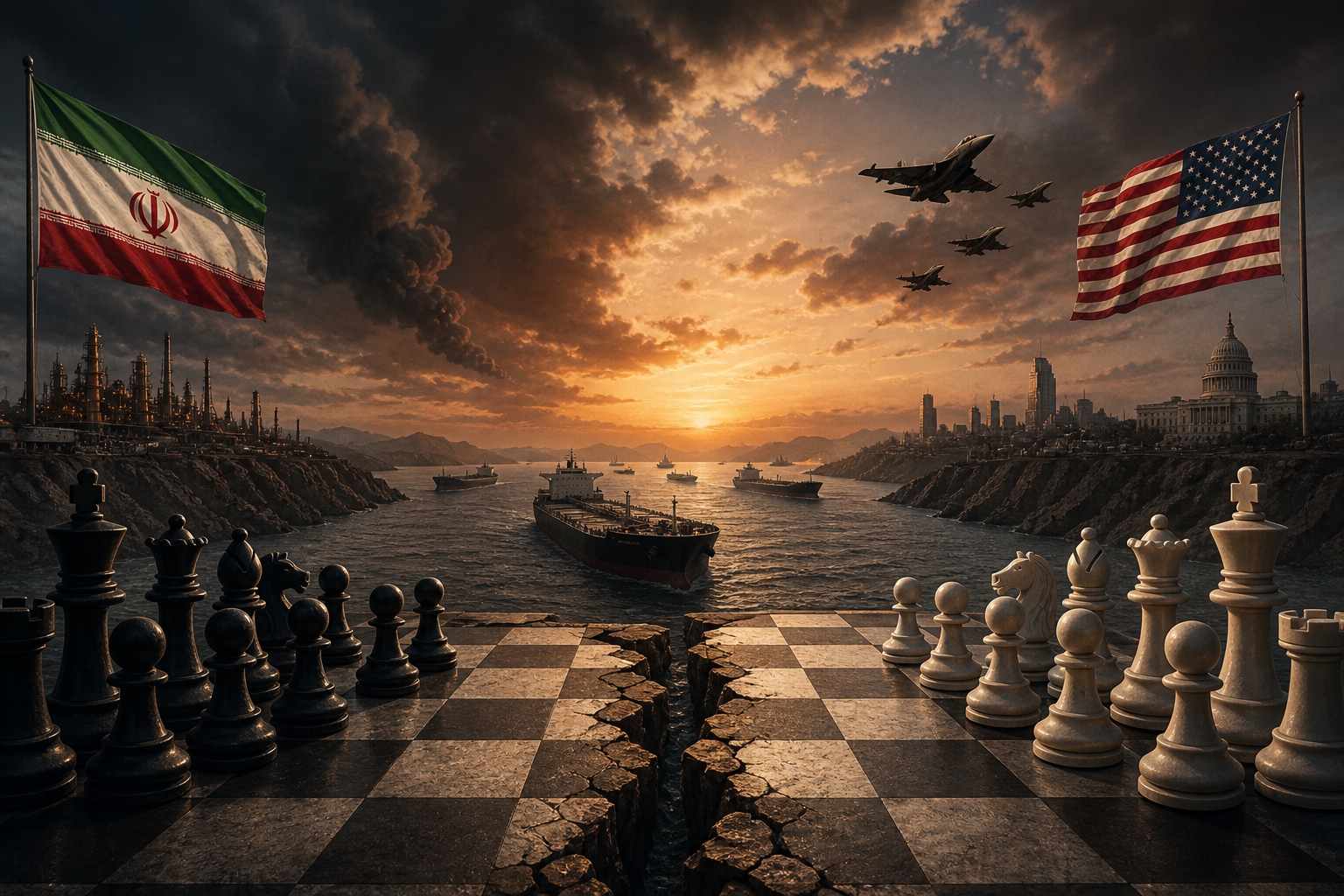
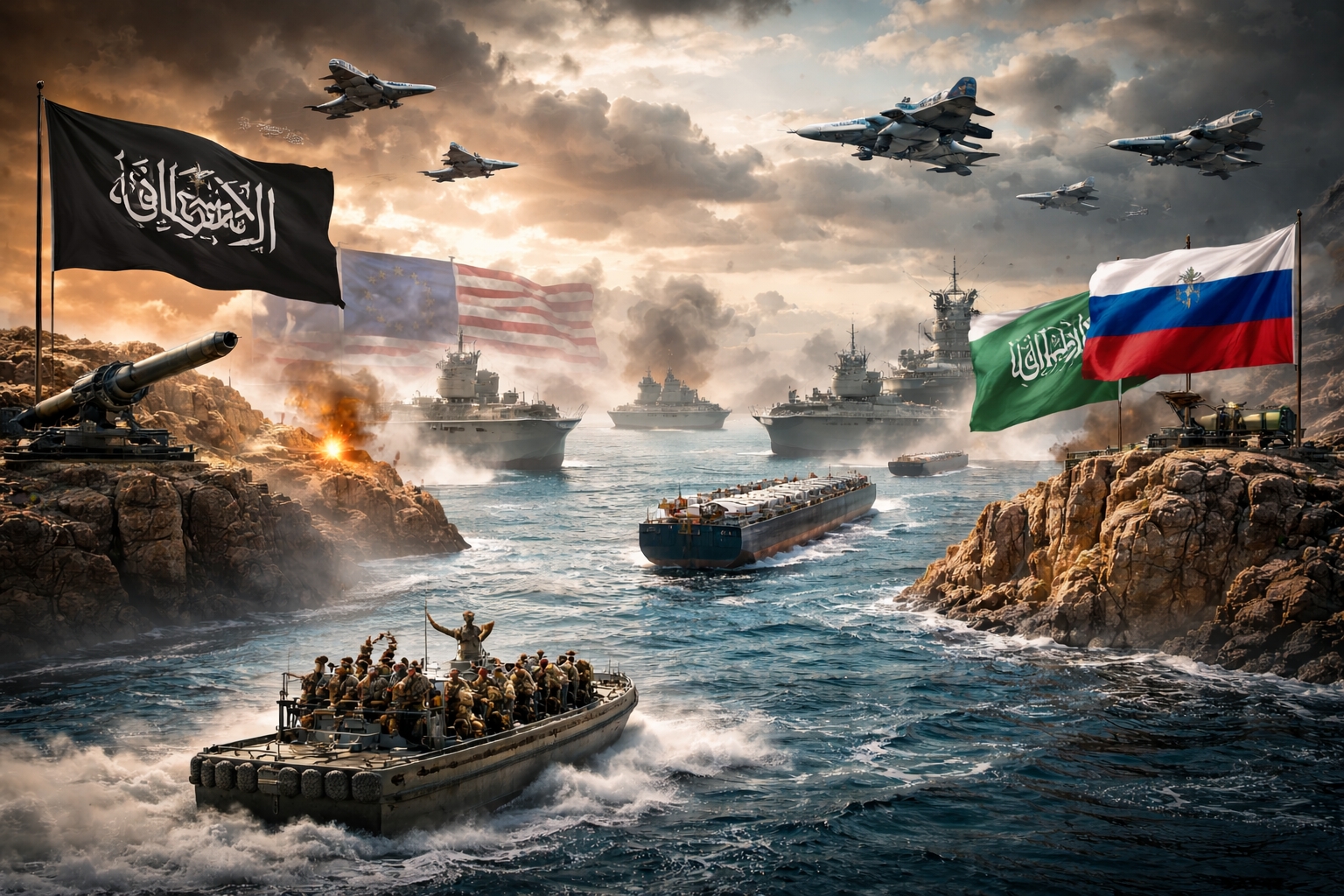
The US confrontation with Iran, the Strait of Hormuz, and the broader “no war, no peace” environment reveals a strategic reality often ignored in western political discourse.
While Iran has suffered decades of illegal US/western sanctions and economic pressure, Tehran has withstood all these and survived.
The US empire is crumbling.
True, sanctions have hurt Islamic Iran.
The blockades and restrictions on oil exports have added to this pressure.
Yet, the broader global picture shows that Iran possesses something the US and Israel lack: long-term societal stamina shaped by decades of surviving under pressure.
Much of this resilience stems from a major strategic miscalculation made repeatedly by Washington and Tel Aviv since 1979 — the assumption that the majority of Iranians oppose the Islamic government.
Policies built on this faulty assumption have consistently produced strategies disconnected from the political and social realities inside Iran.
For nearly half a century, Iran has operated under sanctions, economic warfare, and military threats.
Based on this experience, the Iranian society, state institutions and economic networks have gradually adapted.
The state system has built survival mechanisms, alternative trade relationships, and political expectations shaped around resistance and endurance rather than subjugation to the US.
The US, however, remains deeply vulnerable to global oil disruptions despite being a major oil producer.
The closure or destabilization of the Strait of Hormuz — through conflict, blockades, or maritime insecurity — creates massive pressure on global energy markets.
Analysts warn that prices could remain elevated for months due to damaged infrastructure, shipping backlogs, and instability in maritime transit.
American policymakers assumed that pressuring Iran by blockading the Strait of Hormuz would quickly force Tehran into submission.
Instead, the opposite has happened.
Historical patterns show that most post-World War II American recessions were preceded by oil shocks.
Because the US economy consumes enormous amounts of oil for transportation, logistics, and daily economic activity, rising energy prices spread through every sector of society.
Ironically, the very global oil system Washington imposed on West Asia, now exposes it to severe economic and social blowback.
Oil operates in an interconnected global market.
Even if the US produces large quantities of oil domestically, disruptions in the Persian Gulf raise prices everywhere.
The US economy is more oil-intensive than China, the European Union, and even Russia.
According to Rosemary Kelanic, Director of the Middle East Program at Defense Priorities “US oil production does not render American consumers immune to fluctuations in oil prices, which are determined by the interplay of supply and demand in a global market. To the contrary, because the US economy burns more oil to produce each unit of economic output than peer countries do, the United States will suffer more from the Iran War price shock than will China, Russia, or the European Union.”
Iran is also forcing regional and non regional regimes to reconsider their dependence on American military protection.
The longer the crisis continues, the more resources Israel and the US must dedicate in political, economic and military terms.
All of this without achieving any strategic gains against Islamic Iran.
This asymmetry is central to Iran’s strategic advantage.
Iran does not emerge from this crisis unscathed.
However, Iran’s political system and society were built in anticipation of prolonged confrontation.
American and Israeli systems, by contrast, depend far more heavily on economic stability, energy affordability, investor confidence, and perceptions of military dominance.
In the bigger picture, this means that the current “stalemate” is not really a stalemate, but a systematized and multidimensional weakening of American imperialism.
It keeps the US and its surrogates in a constant state of uncertainty.
The “stalemate” significantly erodes western power faster than it erodes Iran’s capacity to endure.
Related Articles
War or Diplomacy: Are Iran, the US, and Israel Headed for Another Clash?
Crescent International
Dhu al-Qa'dah 09, 1447 2026-04-27
Hormuz as Leverage: Russia’s Quiet Bet on Iran’s Permanent Grip
Crescent International
Shawwal 28, 1447 2026-04-16