War or Diplomacy: Are Iran, the US, and Israel Headed for Another Clash?
Empowering Weak & OppressedCrescent International
Dhu al-Qa'dah 09, 1447 2026-04-27
Daily News Analysis

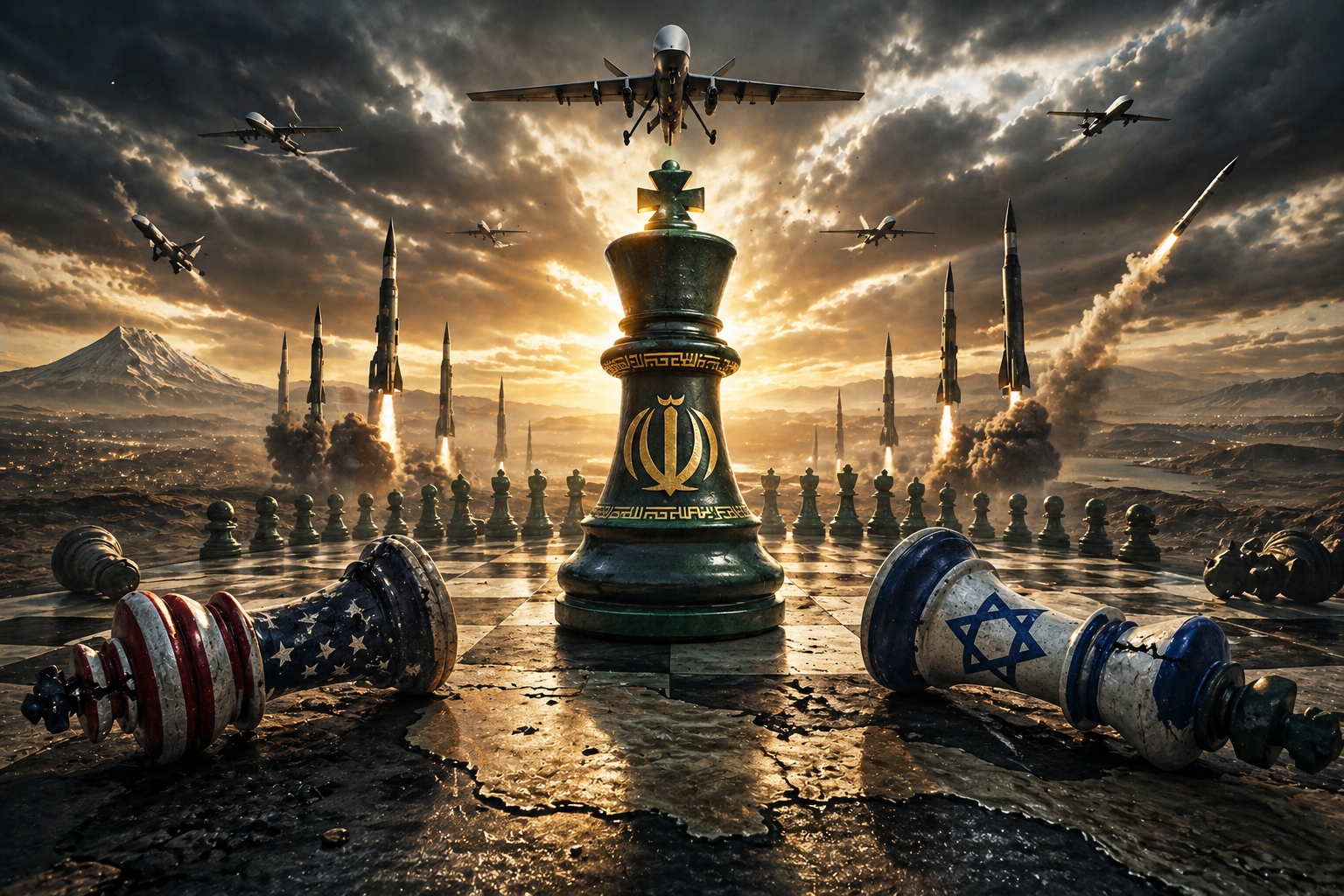
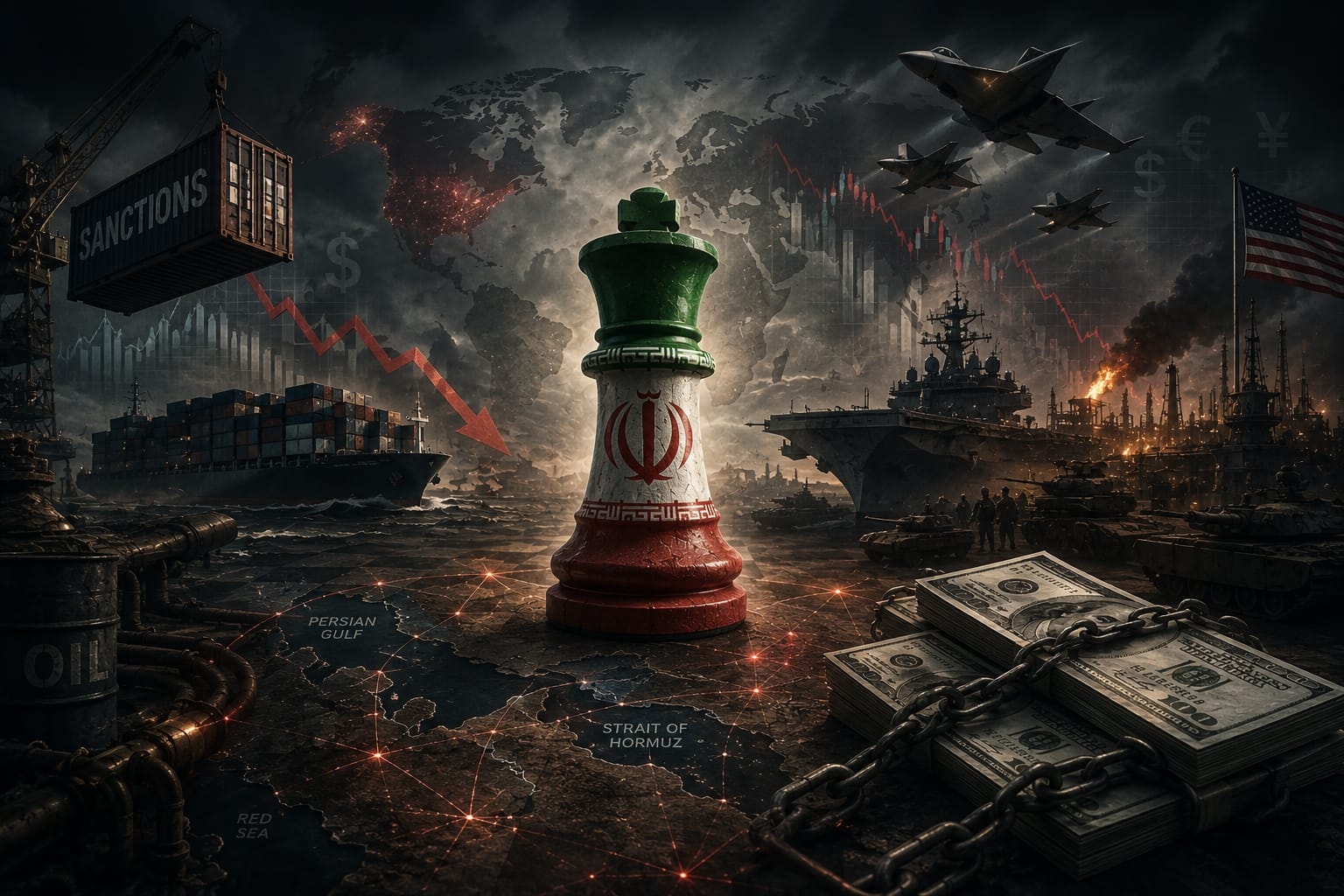
Renewed direct military confrontation between Islamic Iran, the US, and apartheid Israel is becoming increasingly likely rather than a political settlement.
Not because of a single trigger, but due to the convergence of several structural and strategic dynamics that are pushing all actors toward escalation instead of restraint.
First, there is a visible and ongoing buildup of American military hardware in the region.
Reports and observable deployments indicate the transfer of specialized assets, including aerial refueling aircraft, critical enablers for long-range strike capabilities.
These systems are not defensive; they are force multipliers.
Such deployments signal preparation, not de-escalation.
When logistical infrastructure for offensive operations is put in place, it reflects planning assumptions that conflict is not only possible but increasingly probable.
Second, it is now widely acknowledged, even within American propaganda, that Islamic Iran was able to deliver a significant military blow to US positions and interests.
The Trump regime attempts to deny that it suffered setbacks, and this denial leads the empire in decline to interpret events through mistaken realities rather than seriously consider de-escalation.
On the contrary, the prevailing logic is corrective: earlier failures are framed as the result of poor planning rather than structural limitations.
This mindset is particularly dangerous. It assumes that with better coordination, improved intelligence, and refined targeting, the US can reverse the outcome of the previous military engagement, effectively guaranteeing the repetition of the same strategic miscalculations under the illusion of improvement.
Third, Iran’s own assessment of the situation reinforces the escalation dynamic.
Tehran understands that prolonged conflict does not favor Israel, arguably the weakest actor in this triangle.
The geographic and structural asymmetry is stark: Israel is approximately 72 times smaller than Iran. This means that a growing number of successful Iranian missile strikes against Israeli infrastructure carries massive consequences.
Since 2023, Israel has been locked into a near-perpetual state of hostilities, aggressions it cannot decisively win and can only sustain through extensive western backing.
Islamic Iran’s strategy appears to recognize this vulnerability and operates along what can be described as “strategic salami tactics”—incremental, cumulative pressure.
Iran knows that Israel is trapped within both a ring of regional military pressure and intensifying global political fire.
Fourth, internal American political dynamics are playing a critical, if often understated, role.
The anti-MAGA establishment nudged the Trump regime toward aggression against Iran, anticipating that it would undermine the Trump regime among its supporters.
A costly war weakens Trump and his allies both domestically and internationally.
To a significant extent, this objective has been realized: the earlier phase of confrontation produced no tangible gains for the US, only strategic geopolitical losses and contributed to its global humiliation.
However, this has likely created a new consensus within the broader American political elite.
Having effectively fractured MAGA as a cohesive political trend, there is now a shift toward consolidation—an attempt to restore the image of American imperialism.
In this context, renewed confrontation is seen not as a risk but as an opportunity to reverse the narrative of decline and erase strategic political defeat.
The logic is no longer about partisan advantage but about salvaging the image and functionality of American imperial power.
It is therefore not accidental that, on April 19, prominent American zionist official from the Biden regime, Amos Hochstein, acknowledged that even the Biden regime had been planning military aggression against Islamic Iran.
His remarks point to a deeper continuity: just as support for Israel is a bipartisan consensus within the American political elite, so too is hostility and aggression toward Iran.
This entrenched bipartisan alignment makes renewed war far more likely than any durable political settlement.
Taken together, all these factors create a self-reinforcing cycle.
Military preparations signal intent, prior setbacks invite attempts at correction, asymmetric vulnerabilities incentivize pre-emption, and domestic political calculations remove constraints on escalation.
Related Articles
No War, No Peace: How “Stalemate” is a Strategy
Crescent International
Dhu al-Qa'dah 16, 1447 2026-05-04
Hormuz as Leverage: Russia’s Quiet Bet on Iran’s Permanent Grip
Crescent International
Shawwal 28, 1447 2026-04-16