UAE: Trojan Horse of the Emerging Islamic Civilization - Part II
Muslim Mahmood
Dhu al-Qa'dah 19, 1447 2026-05-07
Daily News Analysis

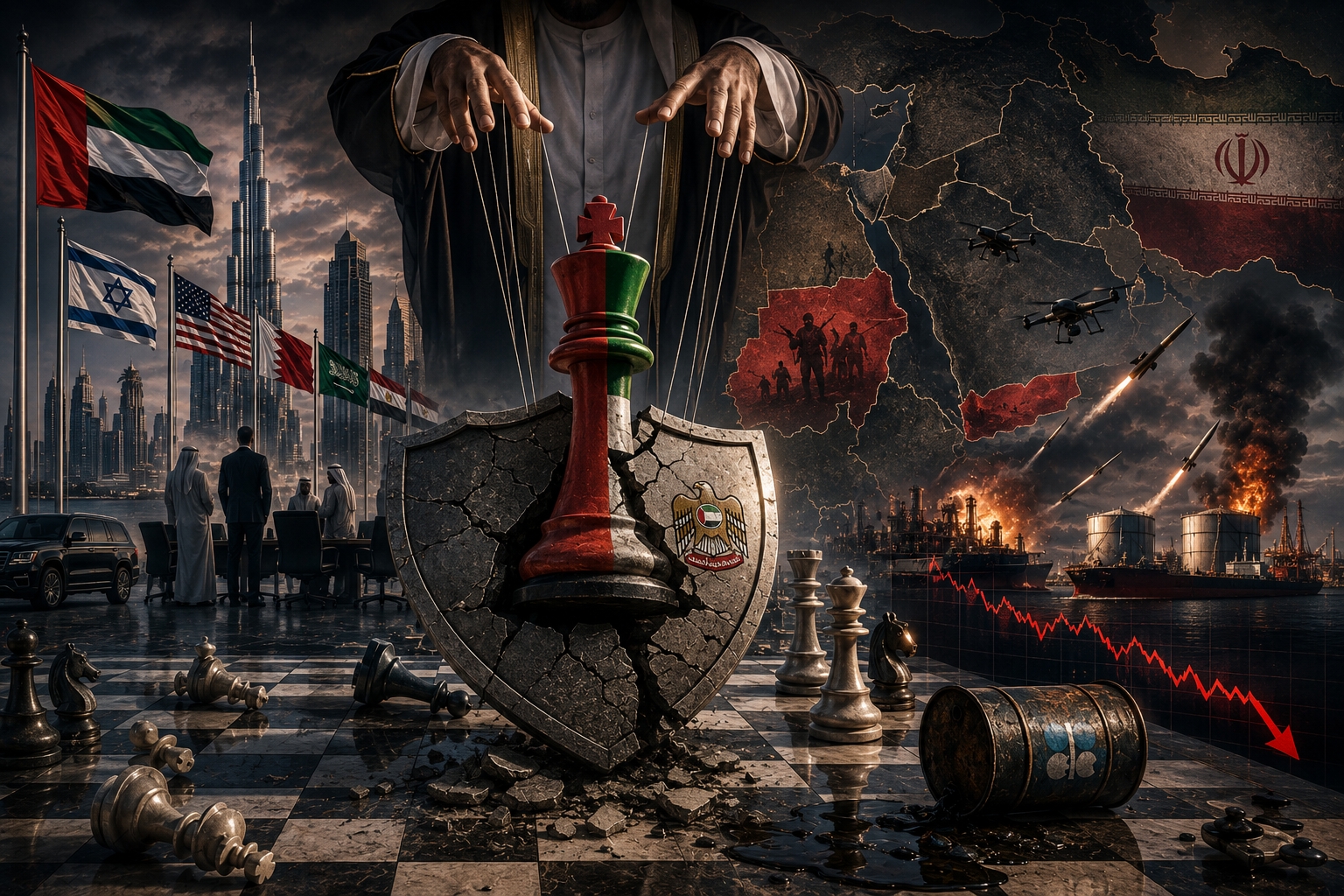
The decision by the United Arab Emirates (UAE) to exit OPEC on May 1, 2026, was not merely a dispute over production quotas; it was the final architectural piece of a decade-long plan to achieve total strategic and economic autonomy.
By abandoning the constraints of the Saudi-led organization, Abu Dhabi has effectively bet its future on a high-stakes race against time.
The goal is to aggressively monetize its massive oil reserves—aiming for a production capacity of six million barrels per day—before the global energy transition renders those assets redundant.
This “market-responsive” strategy is designed to generate the massive capital inflows required to fund the UAE’s transformation into a post-carbon, high-tech power house.
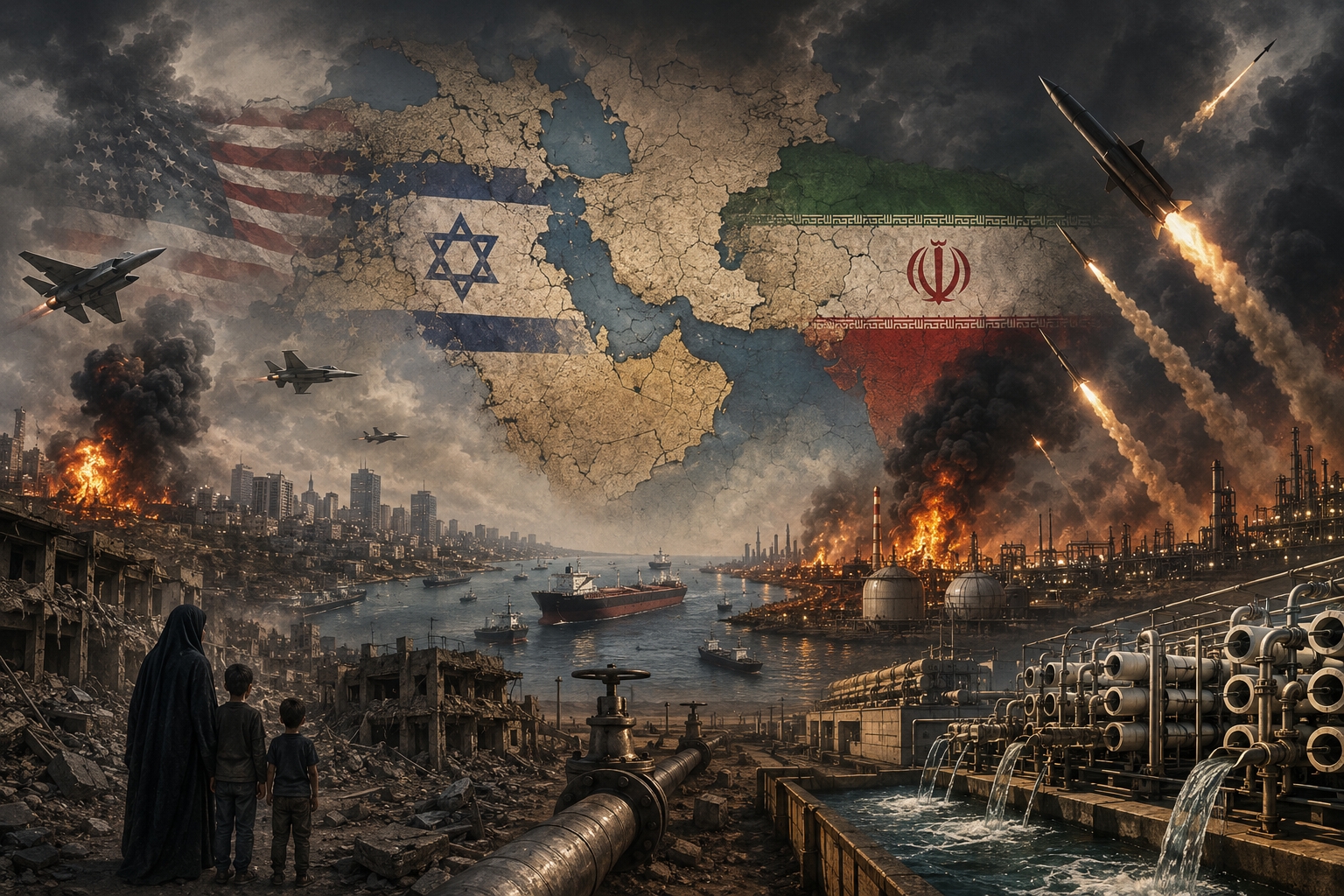
However, as the conflict with Iran intensifies, this economic ambition is colliding with the brutal realities of geography and regional warfare.
At the heart of the UAE’s vision for an “Emerging Islamic Civilization” is a radical pivot toward technology and innovation, often facilitated by its controversial alignment with zionist Israel.
Through the framework of the Abraham Accords, the UAE has sought to integrate Israeli cybersecurity, artificial intelligence, and defense systems into its internal infrastructure.
This technological nexus is the engine behind the “Muslim zionism” policy—a model that prioritizes secularism, technological integration with the west and Israel, and the absolute suppression of movements seeking solutions to societal problems through Islam.
The UAE aspires to be more than just an oil producer; it wants to be the indispensable tech hub in West Asia.
Yet, this reliance on Israeli military technology, such as the Iron Dome batteries deployed on Emirati soil, has turned the entity into a primary target for Iranian retaliation, undermining the very stability that attracts global investment.
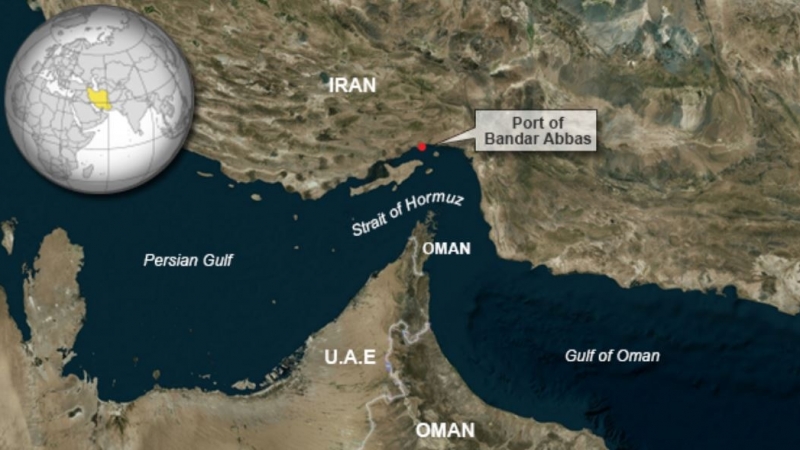
The most immediate threat to this grand vision is the ongoing blockade of the Strait of Hormuz.
For a state that built its identity as a global logistics and maritime center, the closure of this vital artery is an existential crisis.
While Abu Dhabi has invested heavily in bypass pipelines to the port of Fujairah, these routes are currently only capable of handling 40 to 50 percent of normal export volumes.
The sight of the Fujairah oil facilities on fire and South Korean cargo ships being struck while attempting to breach the Iranian blockade has sent shockwaves through global markets.
The UAE’s “safe haven” status, which was the cornerstone of its economic diversification strategy, is being systematically dismantled.
As munitions strike within 140 kilometers of Dubai, the narrative of a secure, investor-friendly oasis is increasingly difficult to maintain.
This military pressure is placing an unprecedented strain on the Emirati social contract.
For decades, the ruling families have offered their citizens and a massive expatriate population unparalleled wealth, luxury, and security in exchange for political passivity and total state control of civil society.
This contract is now being tested by the sounds of air defense interceptions over the Burj Khalifa and Dubai International Airport.
The targeting of these landmarks is a psychological warfare tactic intended to trigger investor flight and erode the confidence of the global elite who call the UAE home.
If the UAE cannot guarantee the safety of its symbols of prosperity, the foundation of its economic model—investor confidence—threatens to collapse.
Furthermore, the UAE’s pursuit of strategic autonomy has led to a deepening diplomatic isolation within the Gulf Cooperation Council.
By exiting OPEC without consulting Saudi Arabia and maintaining a divergent path in regional conflicts like Sudan and Yemen, Abu Dhabi has alienated its closest neighbors.
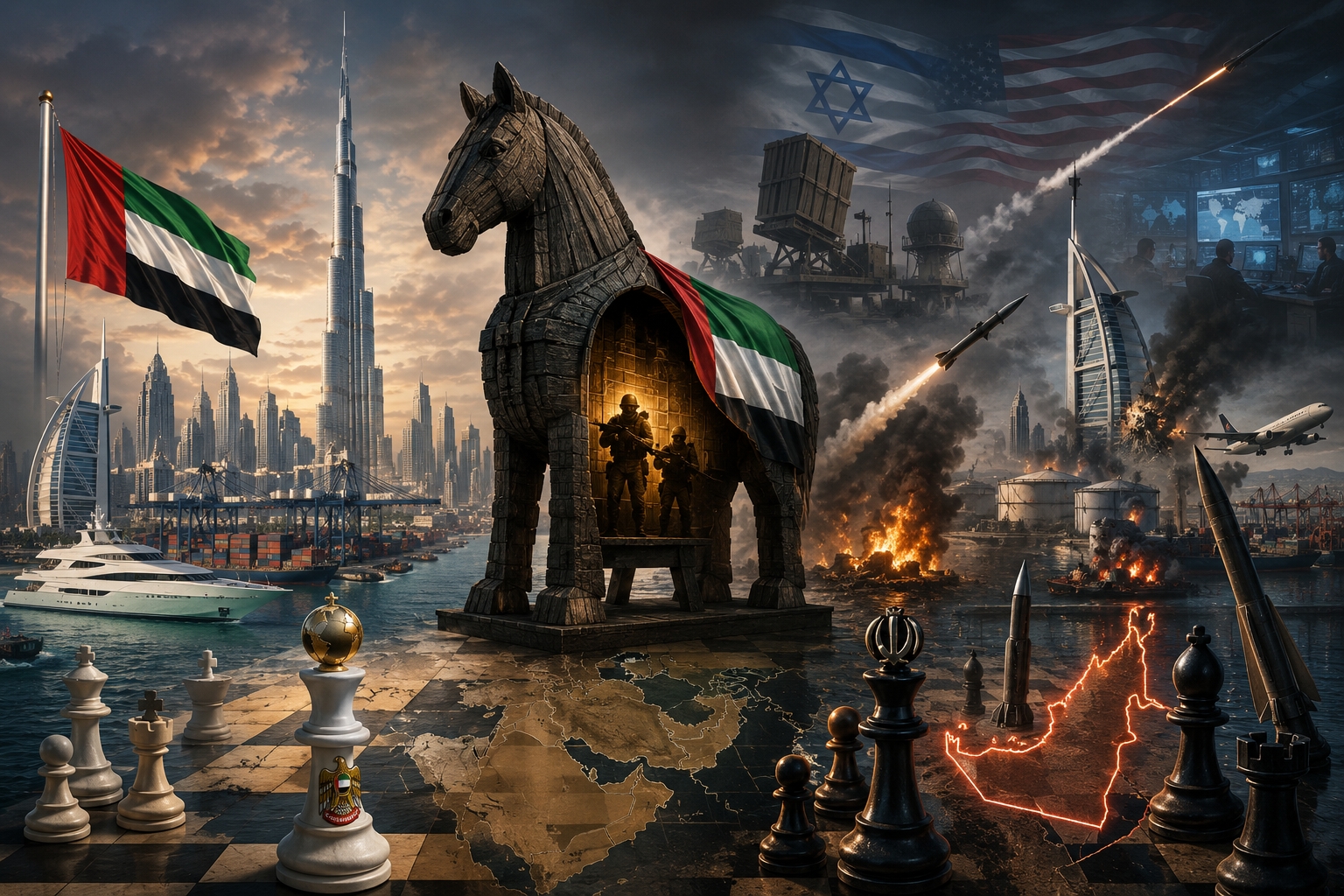
Qatar and Kuwait have maintained a wary distance as the UAE’s Trojan Horse strategy brings direct military conflict to the shores of the Arabian Peninsula.
The federation now finds itself as a lonely outlier: too aggressive for its traditional Gulf partners, yet too exposed to withstand a prolonged war with Iran without total reliance on the US-Israel alliance.
The UAE’s role in Sudan’s civil war further illustrates the contradictions of its overall strategy.
By backing the Rapid Support Forces, the UAE seeks to secure agricultural land, and influence over the Red Sea, viewing the conflict through the lens of food security and the eradication of Islamic influence.
However, the international outcry over humanitarian atrocities and the UAE’s alleged complicity in genocide have created a significant diplomatic deficit.
The Emiratis are beginning to learn that the pursuit of strategic autonomy through proxy wars often carries a reputational cost that even the most sophisticated public relations campaigns cannot mask.
As we assess the long-term sustainability of the UAE’s current trajectory, the results are precarious.
The “Trojan Horse” strategy—using the cover of Islamic identity to advance a secular, tech-driven, and Israel-aligned regional order—has successfully disrupted the regional status quo.
It has created a state that is more agile and technologically advanced than any of its peers.
But in doing so, the UAE has stripped away the traditional layers of protection that religious and regional solidarity once provided.
The ultimate question is whether the UAE can remain the center of a new kind of civilization while under constant bombardment.
The exit from OPEC and the aggressive expansion of oil production are designed to buy the future, but that future is currently being held hostage by the geographic bottleneck of the Strait of Hormuz and the ideological fury of its regional rivals.
Abu Dhabi’s bet on a fast, decisive victory for the US-Israeli alliance over Iran has not materialized.
It has left the Beduoin-ruled entity to face a protracted war of attrition that its glass-and-steel economy was never designed to endure.
The UAE stands at a crossroads.
It has the capital to lead a technological revolution in West Asia and the political will to redefine the role of Islam in the modern state.
Yet, its path to strategic autonomy is paved with high-risk gambles that have invited the very chaos it sought to avoid.
The “Trojan Horse” has entered the gates of the future, but the walls are closing in, and the price of independence may ultimately be the very stability upon which the Emirati dream was built.
Related Articles
UAE: Trojan Horse of the Emerging Islamic Civilization - Part I
Muslim Mahmood
Dhu al-Qa'dah 18, 1447 2026-05-06
Iran has captured US soldiers, Rubio admits indirectly
Crescent International
Ramadan 20, 1447 2026-03-10
Iran, Geopolitics and closure of the Strait of Hormuz – Part II
Mohamed Ousman
Sha'ban 02, 1447 2026-01-21