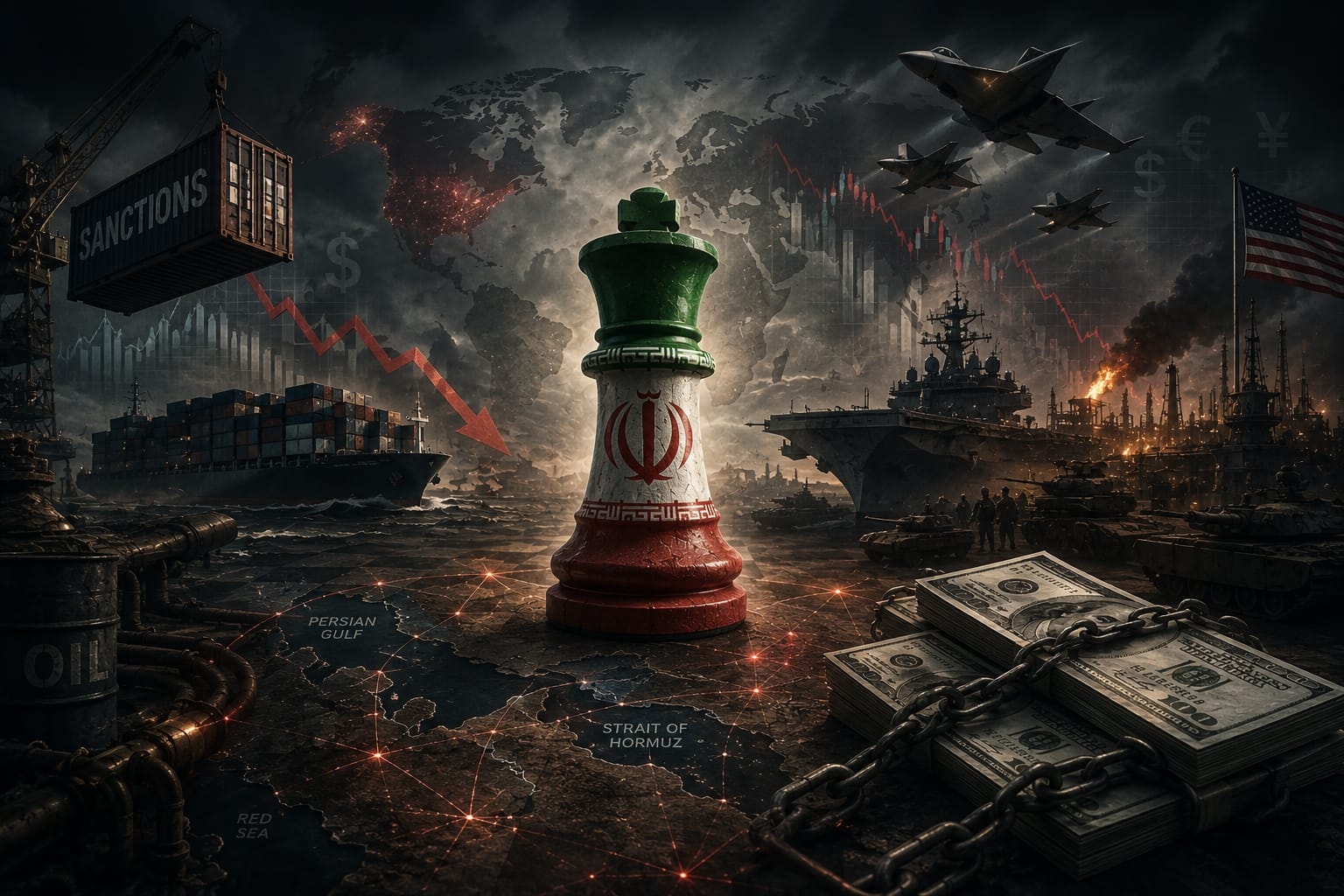
Iran Is Preparing for the Post-Trump War
Empowering Weak & OppressedCrescent International
Rabi' al-Thani 15, 1448 2026-09-27
Daily News Analysis

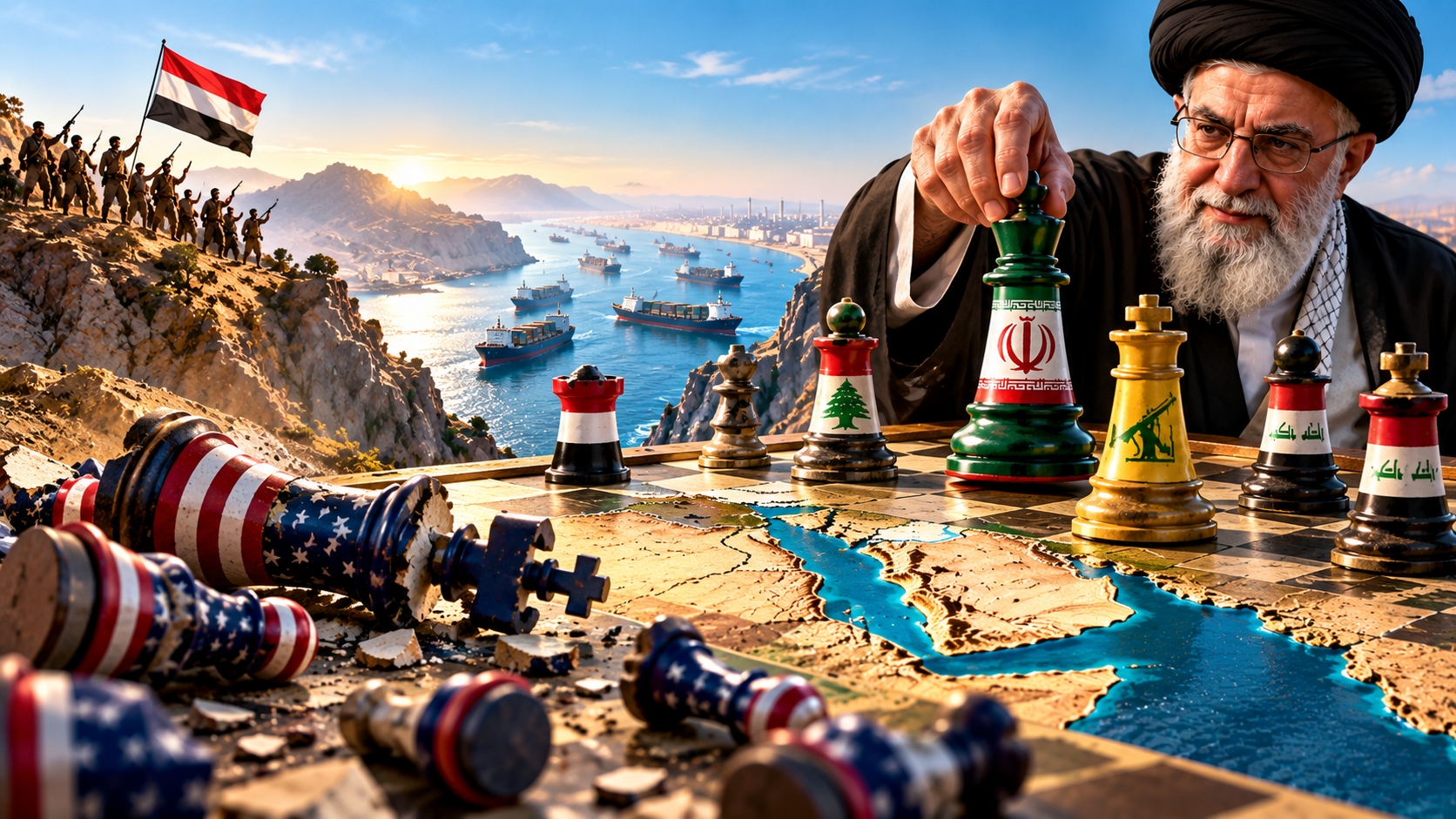
It will be a huge mistake to assume that the ongoing regional war in West Asia will end when the MAGA regime leaves the White House.
States do not think in electoral cycles only, especially ones with transnational ideas, like Islamic Iran and the US.
They operate as institutional systems whose military establishments, security bureaucracies and strategic planners operate on timelines extending far beyond the next two or three years.
Trump will leave.
MAGA will probably suffer a devastating political defeat, but the confrontation will continue.
Indeed, the most dangerous question is what the establishment that succeeds MAGA will learn from the Trump regime’s failure.
War costs, rising fuel prices and economic disruption have transformed an imperial adventure into something ordinary Americans are increasingly feeling directly.
MAGA will no doubt emerge from this confrontation politically shattered.
Yet its defeat would not necessarily tame America’s imperialist appetite.
Instead, the pseudo-liberal establishment may conclude that Trump’s mistake was not confronting Islamic Iran but confronting it incompetently.
Senate Democratic leader Chuck Schumer has demanded war’s termination and supported congressional efforts to restrain Trump’s war-making powers.
Yet, Schumer is hardly sympathetic toward Iran.
Even while criticizing Trump’s military adventure, he was subtly warmongering by stating that a confrontation with Iran requires American “strength, resolve, regional coordination, and strategic clarity.”
This distinction is crucial.
The anti-MAGA critique will practically write itself: Trump lacked discipline, alienated allies, failed to construct sustainable coalitions and approached strategic warfare like a television spectacle rather than a coherent imperial project.
The resulting prescription is unlikely to be restraint. It will likely be “better execution.”
This mindset is not confined to Washington.
Contrary to facts, Canada’s supposedly liberal Prime Minister Mark Carney described Iran in his recent UN speech as one of the biggest threats.
This exposes the broader problem.
Islamic Iran is viewed adversarially not merely by MAGA, but across significant sections of the western political and security establishments. Their disagreements may concern methods, alliances, presentation and the legal cover but not the strategic objective of eliminating the region’s only truly sovereign state.
History provides a warning.
Barack Obama entered office presenting himself as an alternative to George W. Bush’s disastrous “war on terror.”
Yet the Afghan war did not end.
Obama initially escalated it, sending tens of thousands of additional troops.
Drone warfare expanded. Guantanamo remained open.
Afghan villages continued to be bombed, and civilians continued dying at the hands of NATO occupation forces.
The imperial machinery acquired different management and more sophisticated packaging.
It was not dismantled.
Something similar will likely follow Trump.
If MAGA is electorally crushed, a victorious pseudo-liberal establishment could become intoxicated with its own supposed competence.
It could interpret MAGA’s defeat as rejection of Trump personally rather than rejection of imperial overreach.
The conclusion would be dangerously seductive: Trump failed because he did not know how to do this. We do.
Washington will try to rebuild European coordination, tighten economic warfare, strengthen regional military arrangements and wrap renewed confrontation in the familiar language of diplomacy, humanitarianism, multilateralism and the “rules-based international order.”
But Islamic Iran is also thinking beyond Trump.
Tehran increasingly operates on the assumption that temporary arrangements provide breathing space rather than permanent solutions.
Direct confrontation with the US and Israel has crossed psychological and military thresholds that cannot simply be reversed.
Iran’s strategic planning increasingly assumes the possibility of prolonged confrontation.
This is visible in Tehran’s continued political and strategic backing for Ansar-Allah as it strengthens its position in Yemen and around the crucial Bab el-Mandeb maritime chokepoint.
Iran is playing chess, not checkers: Trump is merely one piece on a much larger board whose strategic calculations extend far beyond the next American election.
That is why reducing the current war to Trump, Netanyahu or the next American election fundamentally misunderstands its character.
Personalities will change; state systems will remain.
The next confrontation may, therefore, feature fewer MAGA theatrics and more institutional planning; fewer impulsive threats and more European coordination; less Trump and more Obama.
But that may make it more dangerous, not less.
The truly wrong lesson western regimes can draw from Trump’s defeat is not that the war was a mistake.
It is that MAGA fought it badly and that they can fight it better.
Most likely this will be the case, as the goal is to salvage the US-imposed order.
Related Articles
No War, No Peace: How “Stalemate” is a Strategy
Crescent International
Dhu al-Qa'dah 16, 1447 2026-05-04
War or Diplomacy: Are Iran, the US, and Israel Headed for Another Clash?
Crescent International
Dhu al-Qa'dah 09, 1447 2026-04-27
Hormuz as Leverage: Russia’s Quiet Bet on Iran’s Permanent Grip
Crescent International
Shawwal 28, 1447 2026-04-16